Tampa International Airport (airport code TPA) is a bustling hub that facilitates millions of passenger movements each year. Ridesharing services like Uber and Lyft offer many travelers a convenient and efficient way to and from the airport.
TPA has dedicated rideshare pickup zones designed to streamline this process. However, the high volume of traffic, the constant flow of pedestrians, and the pressure on drivers can create conditions ripe for accidents, turning a routine pickup into a traumatic event.
Determining liability can be particularly complex when a Tampa airport rideshare pickup accident occurs within these designated zones. These accidents can involve not only the rideshare driver and potentially other motorists but also the unique operational environment of the airport itself.
These incidents introduce questions about TPA zone liability, property owner responsibilities, and specific airport regulations, in addition to driver negligence and rideshare corporate responsibility. The interplay of multiple factors makes these personal injury claims far from straightforward.
For victims suffering injuries from an airport pickup zone crash, understanding the legal process requires a clear understanding of the unique liability landscape. It’s best to work with a legal team that is dedicated to providing legal assistance to those impacted by serious motor vehicle accidents, including rideshare incidents within airport environments.
A skilled TPA rideshare accident lawyer like the ones at Auto Injury Litigation Center can meticulously investigate all contributing factors and advocate effectively for you. Reach out for more information today.
The Unique Dynamics of TPA Rideshare Pickup Zones
Tampa International Airport's rideshare pickup zones are high-traffic, high-stress environments. They are specifically designed to manage the flow of dozens, if not hundreds, of rideshare vehicles, traditional taxis, private vehicles, and pedestrians at any given time.
This unique environment contributes to specific accident risks, including:
- Congestion: High vehicle and pedestrian density increases the likelihood of low-speed collisions, fender benders, and pedestrian accidents.
- Driver Distraction: Rideshare drivers are often focused on their apps, passenger manifests, and navigating tight spaces, potentially diverting their attention from nearby traffic and pedestrians.
- Passenger Distraction: Passengers, often rushing, fatigued from travel, or looking at their phones, may step into traffic unexpectedly.
- Lack of Familiarity: Drivers and passengers unfamiliar with TPA's specific layout or rules may make unsafe maneuvers.
- Time Pressure: Drivers are often incentivized to pick up and drop off quickly, leading to hurried decisions.
- Complex Layout: The multi-level structure of TPA's commercial roadways adds layers of navigational complexity.
These factors can significantly elevate the risk of a Tampa airport Uber Lyft pickup accident. However, the next question you probably have is, who can be held responsible if you were injured in a TPA crash?
Identifying Liable Parties in a TPA Pickup Zone Crash
Determining liability in an airport pickup zone accident can involve several parties, each with its own duties and potential for negligence. Depending on your unique circumstances, one or more of the following people or companies may be responsible for the losses you incurred after a TPA collision:
1. The Rideshare (Uber/Lyft) Driver
The most immediate party potentially at fault is the Uber or Lyft driver. Their negligence can contribute to accidents in various ways within the pickup zone, including:
- Distracted Driving: Looking at the rideshare app, GPS, or their phone instead of the road and pedestrians.
- Improper Maneuvering: Making sudden stops, quick lane changes, or unsafe turns in congested areas.
- Failure to Yield: Not yielding to pedestrians in crosswalks or other vehicles.
- Speeding: Even at low speeds, excessive speed in a congested zone can be dangerous.
- Inattention to Pedestrians: Failing to see passengers approaching or walking in the pickup zone.
Insurance Coverage: The level of Uber or Lyft insurance coverage for Tampa airport accidents will depend on the driver's status:
- Tier 2 (App On, Waiting for Request): Lower coverage applies, usually $50,000 bodily injury per person.
- Tier 3 (App On, En Route/With Passenger): Higher coverage applies, up to $1 million liability. This higher tier is likely in effect in a pickup zone where drivers are actively dropping off or picking up a passenger.
2. Drivers of Other Vehicles
An airport pickup zone crash might involve a collision between the rideshare vehicle and another private car, taxi, shuttle, or even another rideshare vehicle. In such cases, the negligence of the other driver (distracted driving, aggressive driving, failing to yield, improper lane changes) could be the primary cause of the accident. The other driver’s personal auto insurance or commercial insurance (for taxis/shuttles) would be relevant.
3. Tampa International Airport (TPA) / Aviation Authority
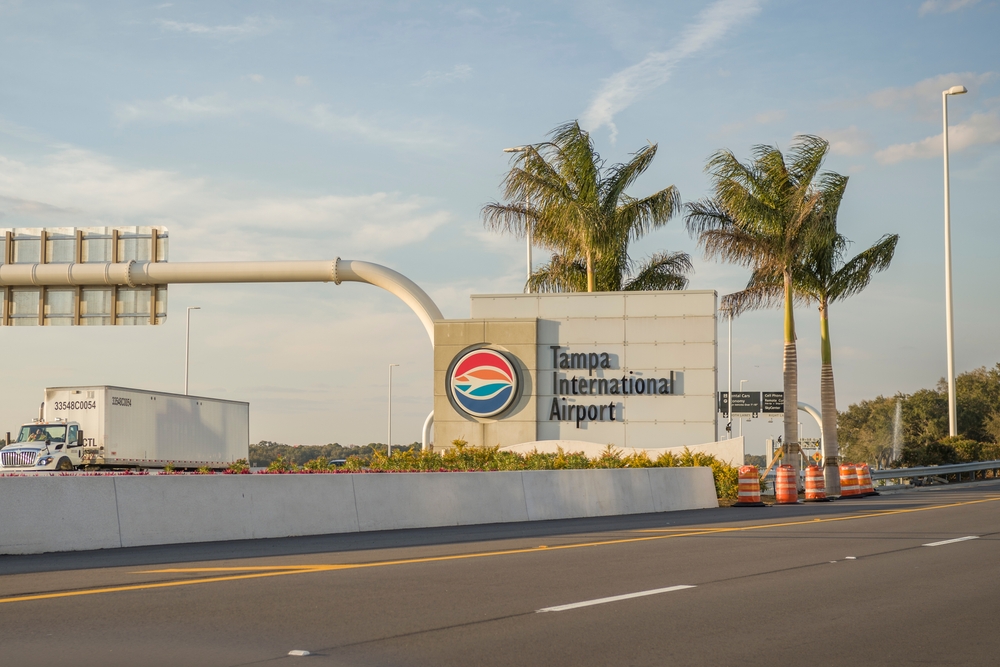
This is where TPA zone liability becomes a critical consideration. As the owner and operator of the airport property, the Hillsborough County Aviation Authority (which governs TPA) has a duty to maintain safe premises, including the roads and pickup zones, for all visitors.
TPA's potential liability could arise from:
- Negligent Design of Pickup Zones: If the layout of the pickup zones is inherently confusing, unsafe, or leads to unavoidable bottlenecks that directly contribute to accidents.
- Inadequate Signage or Markings: Failure to provide clear directions, warnings, or pedestrian crosswalk markings in high-traffic areas.
- Poor Lighting: Insufficient lighting, especially at night, that obscures visibility for drivers and pedestrians.
- Lack of Traffic Control: Insufficient personnel or systems to manage heavy traffic flow, leading to chaos and increased accident risk.
- Hazardous Road Conditions: Failure to maintain the roads within the pickup zones (e.g., potholes, uneven surfaces, debris) could cause an airport pickup zone crash.
Sovereign Immunity issues: It is crucial to remember that the Hillsborough County Aviation Authority is a governmental entity. Therefore, any claim against TPA would be subject to Florida's sovereign immunity laws, including the strict three-year Notice of Claim requirement (to TPA and the Department of Financial Services) and the statutory damage caps ($200,000 per person, $300,000 per incident). This makes navigating TPA zone liability particularly challenging.
4. Rideshare Companies (Uber/Lyft) Other Than Driver Insurance Policies
While Uber and Lyft typically classify their drivers as independent contractors, there are limited circumstances where the rideshare company itself could bear some direct liability:
- Negligent Hiring or Retention: If the company knowingly hires or retains a driver with a history of serious accidents, traffic violations, or criminal behavior that leads to an accident. (Though typically, their background checks are rigorous).
- App Malfunction: If a glitch or defect in the rideshare app itself causes a driver distraction or navigational error that leads to an accident.
- Company Policies: If specific company policies or pressures (e.g., unrealistic pickup times, routing that forces dangerous maneuvers) directly contribute to accidents.
Types of Accidents in Airport Pickup Zones
An airport pickup zone crash can take various forms:
- Pedestrian vs. Vehicle: A common scenario where a pedestrian (passenger or otherwise) is struck by an Uber, Lyft, or other vehicle in the congested zone.
- Vehicle vs. Vehicle: Collisions between rideshare vehicles and other cars or commercial shuttles.
- Single-Vehicle Accidents: A driver might hit a fixed object or run over a curb due to distraction or negligence.
- "Door" Accidents: A passenger opening a door into traffic or another pedestrian.
- Slip and Falls: Although less common in the roadway itself, falls could occur on sidewalks adjacent to the pickup zones due to poorly maintained pavement or spills.
What to Do After a Tampa Airport Rideshare Pickup Accident
If you are involved in a Tampa airport Uber Lyft accident pickup, especially within TPA's specific zones, immediate and thorough action is crucial. If possible, take these steps:
- Prioritize Safety & Seek Medical Attention: Your health is paramount. Call 911 for any injuries. Seek medical evaluation promptly, even if symptoms seem minor or delayed. Airport paramedics or first responders may be on scene quickly.
- Contact Police/Airport Authority: File an official police report. If airport police or security are present, ensure they create an incident report. This documentation is critical.
- Gather Information:
- Driver & Vehicle: Get the rideshare driver's name, contact information, license plate number, and insurance details. Note the Uber/Lyft app status.
- Passenger Info: If you were a passenger, save your ride details from the app.
- Other Parties: Get contact and insurance information for any other vehicles or individuals involved.
- Witnesses: Collect names and phone numbers of anyone who saw the accident.
- Airport Personnel: Note any airport officials or security who respond.
- Document the Scene: If able and safe, take extensive photos and videos of:
- All damaged vehicles, your injuries, and the accident scene from multiple angles.
- Specific conditions (signage, lighting, road hazards) that might have contributed.
- The exact location within the TPA pickup zone.
- Report to Uber/Lyft: Report the accident directly through the rideshare app's safety feature or their designated line.
- Do NOT Discuss Fault: Avoid making any statements, apologizing, or admitting fault to anyone (drivers, police, airport staff, insurance adjusters) other than your attorney.
- Refuse Recorded Statements: Never give a recorded statement to any insurance company or airport representative without first consulting with an experienced personal injury lawyer.
- Contact a Dedicated TPA Accident Law Firm Immediately: Given the complexities of sovereign immunity (for TPA) and rideshare insurance policies, immediate legal guidance is vital. A TPA rideshare accident lawyer can ensure all deadlines are met and all avenues for compensation are explored.
The Lawyers at Auto Injury Litigation Center Can Help You Navigate TPA Zone Liability and Fight For the Compensation You Need
Accidents within Tampa International Airport's rideshare pickup zones combine the complexities of rideshare insurance with the unique challenges of claims against governmental entities. Determining who may be responsible for an airport pickup zone crash requires a comprehensive understanding of relevant laws, specific airport regulations, and Uber and Lyft's intricate insurance tiers.
The precise location, the driver's status, and the actions of all involved parties will dictate the path to recovery. To help you sort through these legal complications, our team is ready to meet you for a free, no-obligation case review. We are committed to meticulously investigating every aspect of your Tampa airport Uber Lyft accident, from establishing the exact cause to navigating the sovereign immunity hurdles of TPA and maximizing compensation under the applicable Uber/Lyft insurance policies.
We will fight for your rights and help you receive the resources needed to recover. Don't let the multi-layered complexities of an airport accident claim overwhelm you. Your right to compensation is too important.
The Auto Injury Litigation Center team provides dedicated legal representation for individuals who have suffered serious injuries in motor vehicle accidents, including those involving complex rideshare incidents within airport environments, across the state.
If you or a loved one has been injured in a rideshare accident at Tampa International Airport's pickup zones, it is crucial to seek legal assistance immediately. Contact Auto Injury Litigation Center today for a free, no-obligation consultation.
Call us now at (866) 933-0623 to discuss your case and learn how we can help you understand rideshare and TPA zone liability and effectively pursue your claim.